







Reserve Bank of India currency production sheet

Asia’s First Quarter Ends in Turbulence as Oil Shock Collides with the Region’s AI-Driven Growth Story

The first quarter of 2026 will be remembered as a period that began with historic optimism and ended in crisis. Asian equity markets opened the year at record levels, fueled by Samsung and SK Hynix’s HBM production ramp, TSMC’s record earnings, Japan’s Takaichi-driven fiscal expansion, Singapore’s AI-centered budget, and India’s emergence as the region’s fastest-growing…

Read More
Province of Zhuhai Guangdong China

The First Quarter’s Regulatory Landscape Changed More Than Any Year-Ahead Outlook Predicted

The regulatory developments of Q1 2026 defied every major forecast published at the start of the year. Consensus outlooks anticipated incremental tightening of semiconductor export controls, gradual implementation of corporate governance reforms in Korea, continued BOJ normalization, and the adoption of China’s 15th Five-Year Plan. All of these occurred. None of them proved to be…

Read More
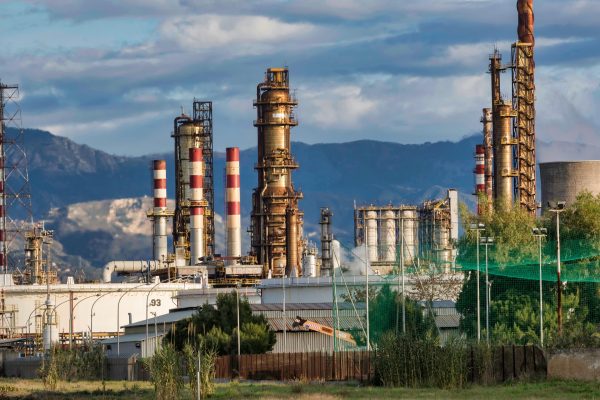
Offshore oil drill as seen from view point of ship

Oil Closes Above $100 as Hormuz Disruption Sparks Record Foreign Investor Exodus from Asian Equities

Brent crude closed at $103.14 per barrel on Friday, its highest settlement since 2022, as the Strait of Hormuz remained effectively shut to commercial shipping for a fourth consecutive week. The oil price trajectory has accelerated in the final days of March, driven by Iran’s March 18 strike on Qatar’s Ras Laffan LNG complex, which…

Read More
Boat traveling through sea straight mountains in distance

Iran’s Yuan-Denominated Hormuz Transit Channel Creates a Regulatory Precedent with No Legal Framework

Iran has established a shipping channel north of Larak Island through which vessels can transit the Strait of Hormuz under supervision of the Islamic Revolutionary Guards Corps, with payments assessed in Chinese yuan. At least one vessel has paid $2 million for passage, and Malaysia has reported that Iran allowed its ships to pass through…

Read More
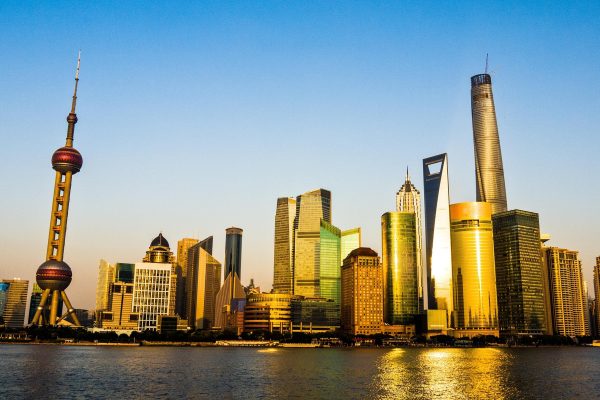
Pudong Shanghai China skyline

China’s 15th Five-Year Plan Points Capital Toward AI and Self-Reliance as External Risks Mount

China’s National People’s Congress formally approved the 15th Five-Year Plan on March 12, completing an eight-day session that set the policy framework for the country’s economic and industrial development through 2030. The plan, which WilmerHale described as making the 2026 Two Sessions “particularly important for business audiences,” codifies Beijing’s commitment to technological self-reliance, high-quality growth,…

Read More
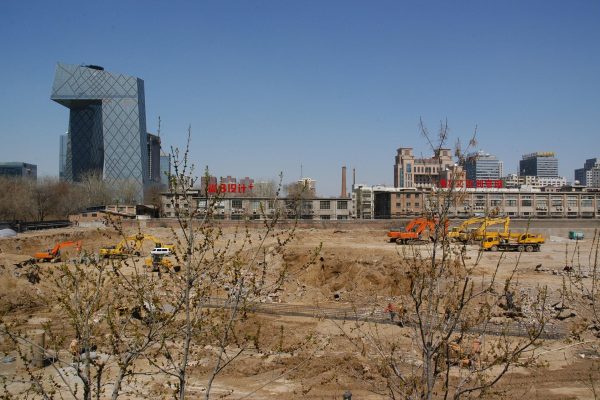
Construction in Beijing China with bare trees in forefront

China’s 15th Five-Year Plan Technology Targets Are Ambitious. The Implementation Mechanisms Are What Matter

China’s 15th Five-Year Plan, formally approved on March 12, sets technology targets that include raising R&D spending growth to at least 7% annually, expanding the core digital economy to 12.5% of GDP by 2030, and building self-sufficient capacity in AI, quantum computing, biomanufacturing, aerospace, and new energy. These headline targets are ambitious but not surprising:…

Read More
White house Washington USA

The Military Technology Being Deployed to Reopen the Strait of Hormuz Faces Challenges That Hardware Alone Cannot Solve

President Trump’s 48-hour ultimatum threatening to destroy Iran‘s power infrastructure if the Strait of Hormuz is not reopened has focused attention on the military technology options available to U.S. forces in the region. The U.S. has deployed thousands of additional troops, carrier strike groups, and mine countermeasure assets to the Persian Gulf. The hardware is…

Read More