










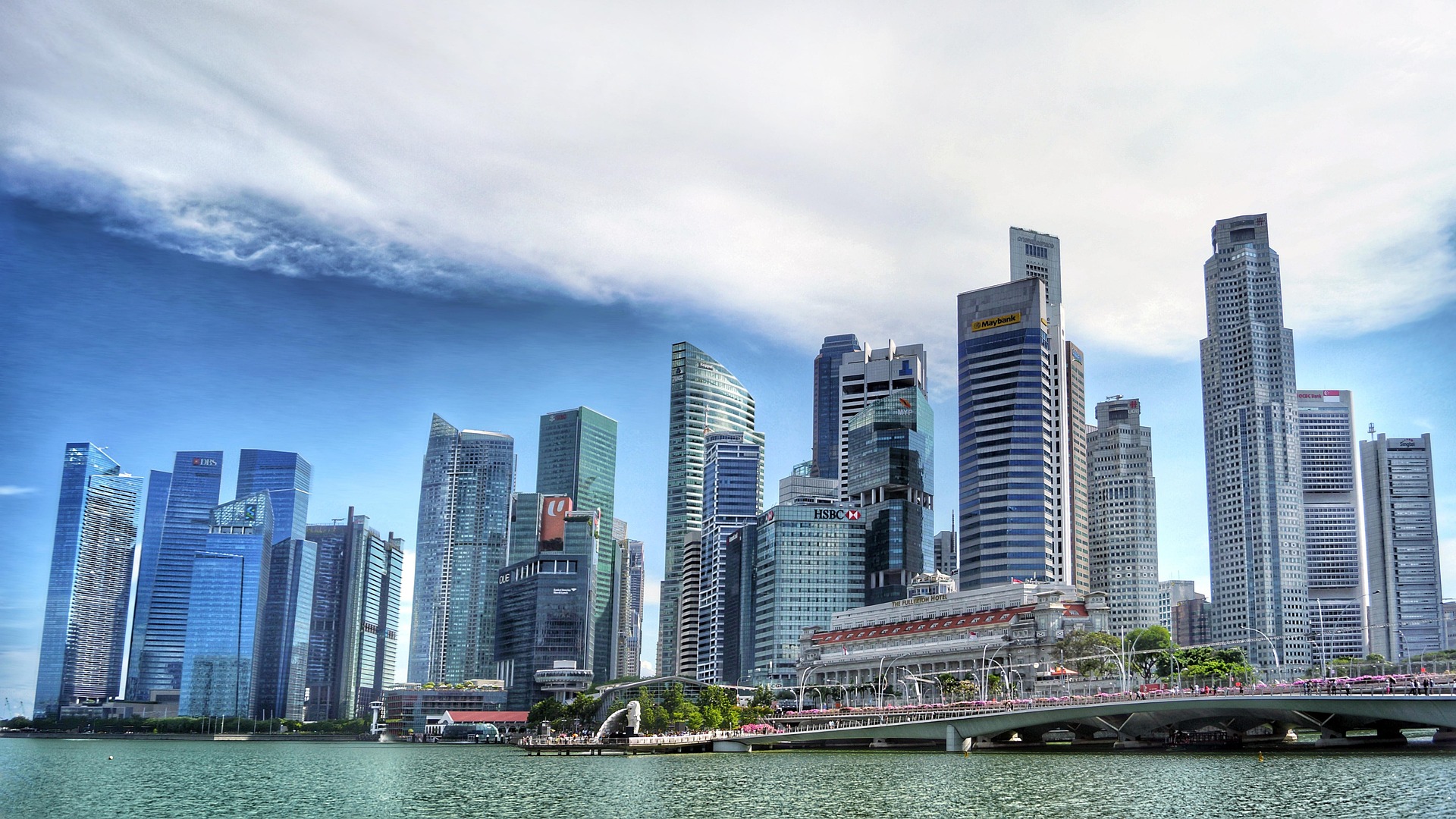
Singapore’s Budget 2026, delivered by Prime Minister Lawrence Wong on February 12, has established the city-state as the most fiscally aggressive jurisdiction in Asia for artificial intelligence adoption. The centerpiece is the enhancement of the Enterprise Innovation Scheme to include a 400% tax deduction on qualifying AI expenditures for Years of Assessment 2027 and 2028, capped at SGD 50,000 per year per company. Loss-making companies can opt for a 20% cash payout instead, up to SGD 20,000 per year. The measures sit alongside the National AI Council chaired by the Prime Minister, the “Champions of AI” enterprise program, and expanded Productivity Solutions Grants that now cover AI implementation tools.
The 400% deduction mechanism works as follows: a company spending SGD 10,000 on qualifying AI tools or training claims a SGD 40,000 deduction against taxable income. At Singapore’s 17% corporate tax rate, this translates to approximately SGD 6,800 in tax savings on a SGD 10,000 investment. The effective subsidy rate of 68% for profitable companies makes Singapore’s AI incentive among the most generous in the world on a per-dollar basis. The SGD 50,000 cap signals that the incentive targets pilot-stage and early adoption investments rather than large-scale enterprise AI transformation, a design choice that maximizes the breadth of adoption across the SME base rather than concentrating benefits among large firms.
The regulatory architecture surrounding the tax incentive reflects Singapore’s characteristic approach of combining fiscal support with governance standards. The Budget’s AI incentives are layered on top of the agentic AI governance framework launched at Davos in January and the AI Verify testing toolkit that has been adopted by more than 60 major technology companies. The implied regulatory contract is clear: Singapore will subsidize your AI adoption costs, and in return expects compliance with governance standards that ensure responsible deployment. Companies that access the tax incentives without engaging with the governance framework will find themselves at a disadvantage as compliance requirements tighten in future budget cycles.
The broader fiscal framework provides additional support. The Finance and Treasury Centre incentive has been extended to December 31, 2031, with expanded withholding tax exemptions for 12 categories of interest-like borrowing costs. The Global Trader Programme has been similarly extended, with the qualifying commodities list expanded to include Environmental Attribute Certificates from February 13, 2026. The SGX-Nasdaq dual-listing bridge, announced alongside the Budget, aims to attract high-growth technology companies that might otherwise list exclusively in the United States. Baker McKenzie described the Budget as confirming Singapore’s commitment to strengthening its “investment promotion toolkit” while maintaining attractiveness as a global business hub.
The Pillar Two implications deserve attention from multinational enterprises evaluating Singapore’s incentive package. Singapore remains committed to implementing the OECD’s global minimum tax framework, and the recent Side-by-Side safe harbour rule provides that U.S.-headquartered MNEs will be exempt from paying Minimum Top Up Tax in jurisdictions that have adopted it. This means U.S. companies in Singapore will not face additional minimum tax obligations, preserving the economic benefit of Singapore’s incentive package. For non-U.S. MNEs, the interaction between Singapore’s incentives and the Pillar Two top-up mechanism requires careful analysis to determine the net fiscal benefit of locating AI-related activities in the city-state.
For investors, the Budget confirms Singapore’s strategic positioning as a regulatory and fiscal hub for AI deployment in Asia. The combination of governance clarity from the IMDA framework, tax incentives from the Budget, workforce development support, and capital market deepening through the SGX-Nasdaq bridge creates a comprehensive value proposition for companies that want to build, test, and deploy AI systems in a jurisdiction with predictable rules. The 12-18 month window during which the AI tax incentives are available creates urgency for companies considering Singapore expansion, and the competitive response from rival jurisdictions, particularly Hong Kong and Seoul, will determine whether Singapore’s early-mover advantage in AI governance translates into a durable hub position.