










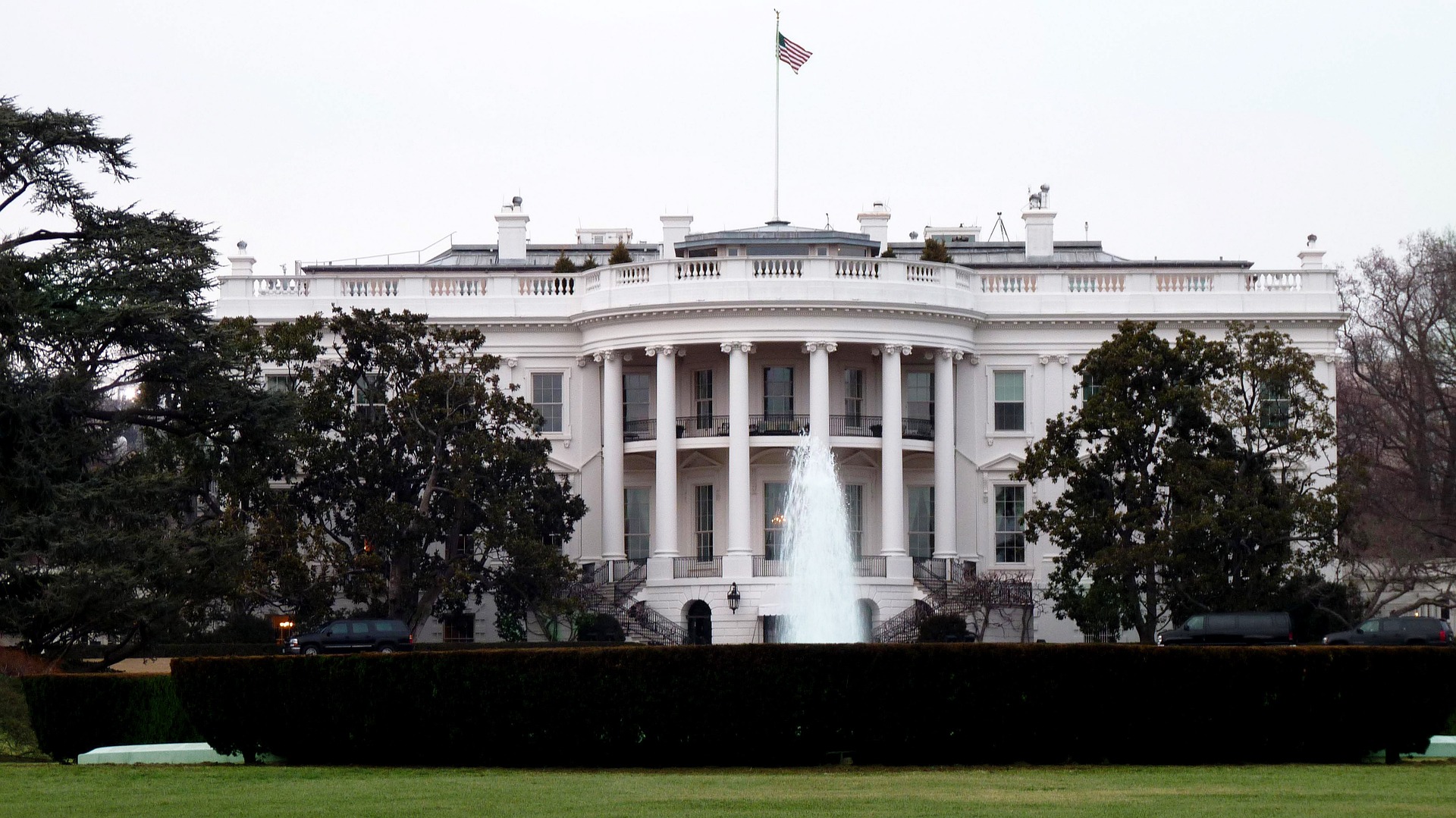
The framework for expanded bilateral trade announced at today’s White House summit between Prime Minister Takaichi and President Trump includes commitments on defense procurement, automotive trade, and energy cooperation that, while politically significant, require regulatory implementation across multiple agencies in both countries. The gap between a summit communique and binding regulatory change is measured in months, not days, and investors who price the announcement as if the trade benefits are immediately available will be disappointed by the implementation timeline.
The automotive component illustrates the regulatory complexity. Japan’s January certification changes, which allow U.S.-certified vehicles to bypass Japanese safety testing, were a preparatory step for the summit but apply only to a narrow category of vehicles manufactured by companies that also hold Japanese type approval. Expanding the certification equivalency to additional vehicle categories, or extending it to independent American manufacturers, requires additional regulatory action by the Ministry of Land, Infrastructure, Transport and Tourism. Each vehicle category requires a separate technical assessment, public comment period, and implementation notice. The regulatory process for full mutual recognition of automotive safety standards typically takes 18 to 24 months to complete.
The defense procurement commitments follow an even longer regulatory pathway. Japan’s acquisition of U.S. military equipment is governed by the Foreign Military Sales program, which operates through Letters of Offer and Acceptance that specify pricing, delivery schedules, and technology transfer conditions. Each FMS case requires approval from both the U.S. State Department and the Japanese Ministry of Defense, with technical review by the Defense Security Cooperation Agency. Major acquisition programs, such as new fighter aircraft or missile defense systems, have administrative timelines that extend three to five years from initial agreement to contract execution. The summit’s defense commitments establish political intent; the regulatory machinery converts that intent into binding procurement obligations over a timeline that extends well beyond the current news cycle.
The energy cooperation dimension is the most time-sensitive given the Hormuz crisis but faces its own regulatory constraints. Increasing U.S. LNG exports to Japan requires securing tanker capacity, which is constrained by a global shortage of LNG carriers. It requires export authorization from the U.S. Department of Energy for additional volumes beyond existing permitted capacity. And it requires amendment of existing supply contracts that allocate production from U.S. liquefaction terminals to committed buyers. Each of these steps involves regulatory procedures that were not designed for emergency implementation. The Trump administration can accelerate certain approvals through executive action, but the physical logistics of redirecting LNG supply across the Pacific cannot be fast-tracked through regulatory shortcuts.
The tariff dimensions of the framework remain the least defined. Trump has described the discussions as involving a “very substantial” deal, but the specific tariff treatment for Japanese automotive exports, electronic components, and agricultural products has not been publicly detailed. Tariff adjustments require either executive action under Section 301 or Section 232 authority, which involves procedural requirements including impact assessments and public comment periods, or legislative action through the Ways and Means Committee, which operates on its own timeline. The expectation that tariff treatment will be resolved quickly underestimates the regulatory architecture that governs trade policy in both countries.
For investors, the summit framework should be valued as a directional signal rather than a near-term earnings catalyst. The political alignment between Washington and Tokyo is genuine and creates conditions for regulatory outcomes that favor Japanese companies across defense, energy, and trade. But the translation from political alignment to regulatory action to commercial benefit operates on a timeline that is measured in quarters and years rather than days. Companies that will benefit from the summit framework, including defense contractors, energy traders, and automotive exporters, should be valued on the basis of their long-term strategic positioning rather than on the expectation of immediate regulatory delivery.