










Asia’s artificial-intelligence hardware boom is lifting chipmakers, component suppliers and equipment firms across Taiwan, South Korea and Japan, as demand for compute infrastructure spreads beyond the largest U.S. cloud companies. The rally is no longer only about advanced processors; it now includes memory, packaging, substrates, cooling systems and power-management components.
Taiwan remains central because of its role in advanced semiconductor manufacturing and packaging. Korean companies are benefiting from demand for high-bandwidth memory, which is essential for training and running large AI models. Japanese suppliers, meanwhile, provide equipment, materials and precision components needed in the production chain. Together, these markets form much of the industrial base behind the AI buildout.
Executives say orders are becoming more diversified. Hyperscale cloud providers still dominate, but regional telecom operators, sovereign AI projects, financial institutions and industrial companies are beginning to invest in smaller clusters. That broadening matters because it reduces dependence on a handful of global buyers and creates opportunities for second-tier suppliers.
Public research from the Semiconductor Industry Association and technology-market analysis from the World Semiconductor Trade Statistics organisation published before April have highlighted the semiconductor sector’s cyclical recovery and the growing importance of AI-related demand. Asian suppliers say the current cycle feels different because hardware constraints are tied to structural compute needs rather than a short-lived consumer electronics refresh.
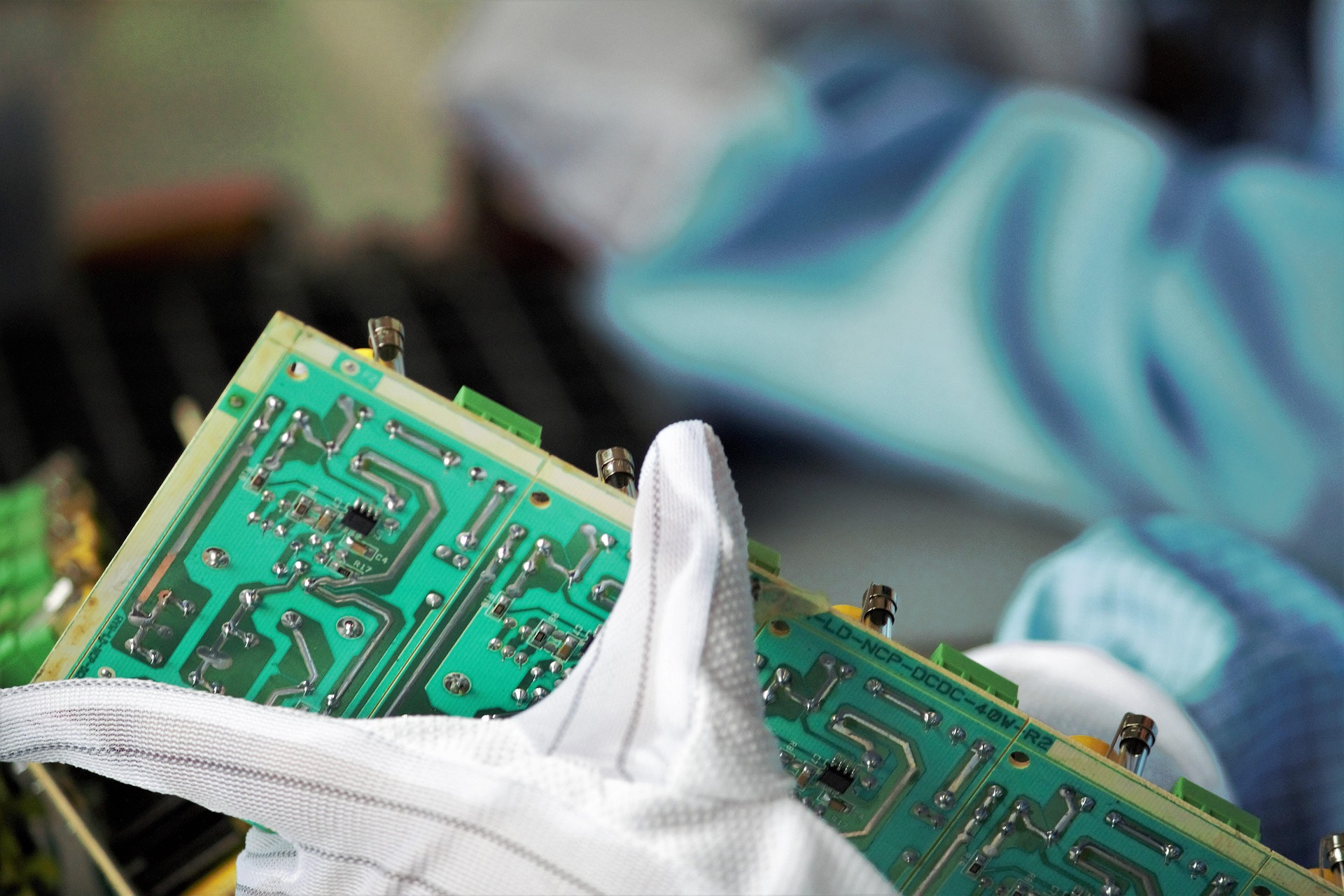
The benefits are spreading into less glamorous areas. Printed circuit board makers, connector suppliers, testing companies and thermal-management firms are seeing stronger inquiries. Data centres require stable power and cooling, and AI servers generate higher heat density than traditional workloads. That is creating demand for liquid cooling, advanced fans and specialised power modules.
There are constraints. Export controls affect access to the most advanced chips in some markets, while customers are wary of overcommitting after past semiconductor cycles ended in inventory corrections. Memory suppliers are also trying to avoid expanding capacity too quickly. The industry remembers how shortages can turn into gluts when demand forecasts overshoot.
Geopolitics remains the largest uncertainty. Taiwan’s central role creates strategic risk, while U.S.-China technology restrictions continue to reshape supply chains. Companies are investing in geographic diversification, but advanced production cannot be relocated quickly. Investors are therefore pricing both growth and vulnerability into Asian chip stocks.
For now, the AI hardware cycle remains powerful. Unlike previous tech booms driven by consumer-device upgrades, this one is tied to corporate and government investment in computing infrastructure. That gives Asian suppliers a strong runway, provided they manage capacity carefully and avoid assuming that every AI projection will become a purchase order.
The boom is also changing capital-expenditure decisions. Suppliers that once planned around smartphone and personal-computer cycles are now building scenarios around data-centre demand. That requires different assumptions about product mix, customer concentration and capacity utilisation. High-bandwidth memory, advanced packaging and thermal solutions have become board-level priorities rather than niche engineering categories.
Investors are trying to separate structural winners from cyclical beneficiaries. A company selling commoditised components may enjoy a short-term lift without gaining pricing power, while a supplier with scarce technology can lock in multi-year contracts. That distinction matters because semiconductor cycles can reverse quickly. The AI theme is powerful, but it does not eliminate the industry’s tendency toward overinvestment when expectations become too optimistic.
Asian governments are also watching the sector as an industrial-policy priority. Chip supply chains now sit at the intersection of economics and security, making private investment decisions politically sensitive. Companies must therefore optimise not only for efficiency and cost, but also for resilience, customer trust and alignment with national technology strategies.
That balance explains why management teams are cautious in their public guidance. They want to signal confidence in AI demand without promising unlimited growth. The companies that manage expectations carefully may be better rewarded than those that treat every data-centre forecast as guaranteed revenue.