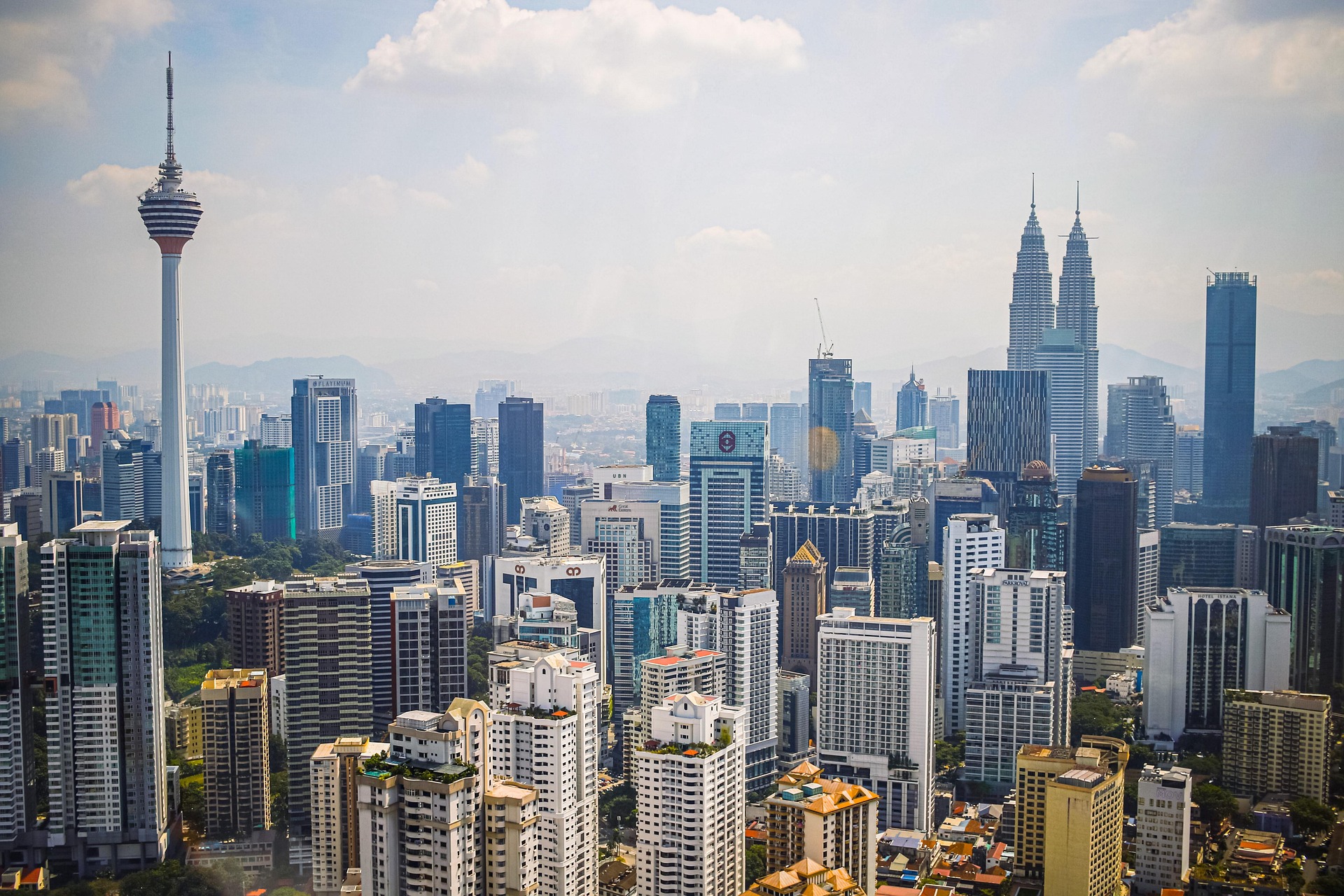










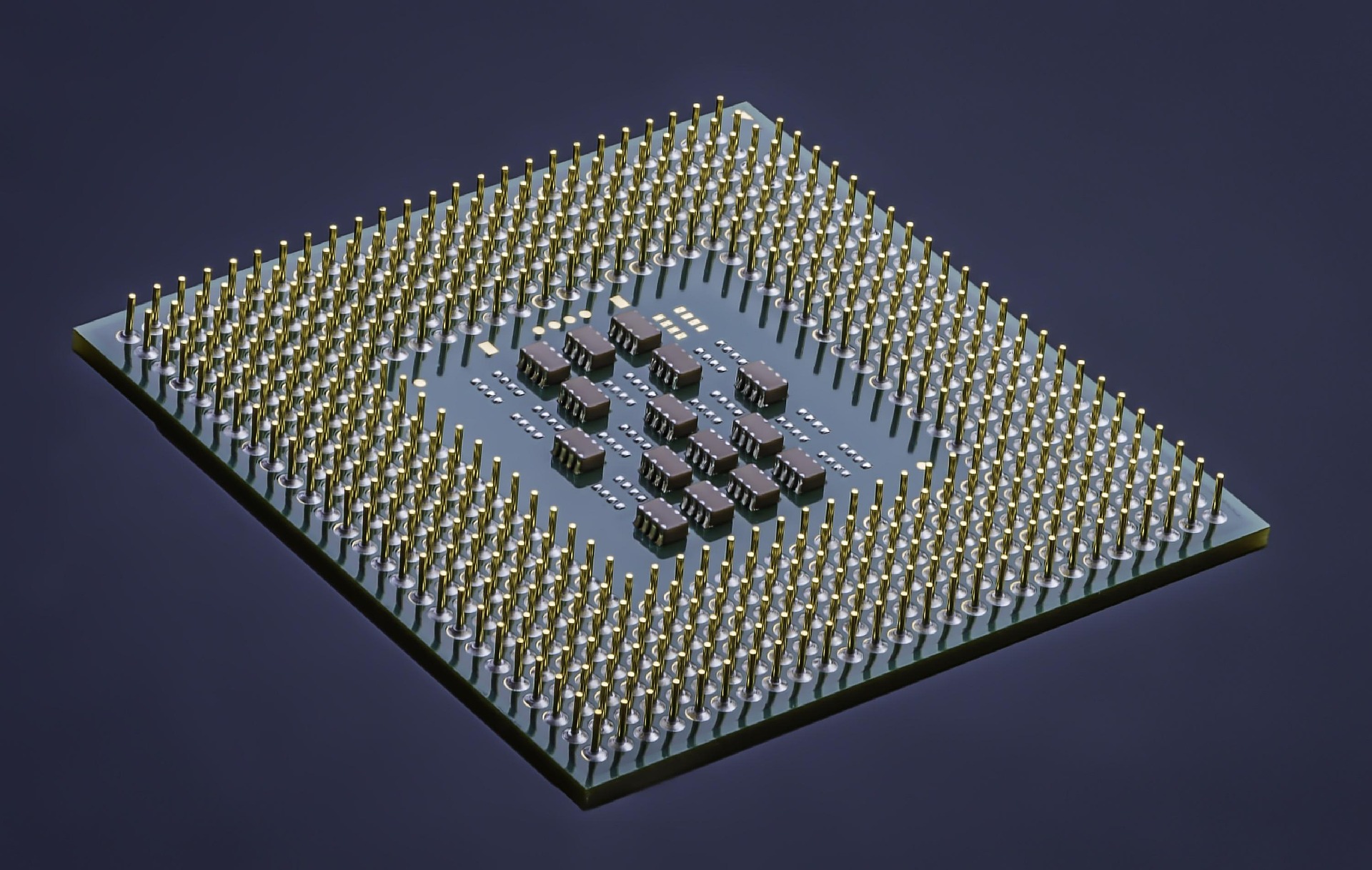
The global AI race is often described as a contest between American model developers and Chinese technology champions. That framing misses a larger point: Asia as a region may become the biggest winner because it supplies the hardware, manufacturing capacity, engineering talent and enterprise adoption needed to turn AI from software spectacle into economic infrastructure.
The strongest AI models attract headlines, but models are only one layer of the value chain. Data centres require chips, memory, cooling, networking equipment and reliable power. Manufacturers need sensors, robotics and process redesign. Banks and retailers need integration with legacy systems. Across those layers, Asian companies are deeply embedded.
Taiwan and South Korea are central to semiconductors. Japan remains essential in materials, precision equipment and robotics. India has a vast software-services base capable of implementing AI for global clients. Singapore provides data, finance and governance infrastructure. Southeast Asia offers a growing market for automation, logistics and digital services. The region’s advantage is not one national champion; it is an ecosystem.
The IMF’s Asia-Pacific outlook before April emphasised Asia’s continued role in global growth, while the Asian Development Bank’s research has repeatedly highlighted the importance of digital infrastructure and productivity. AI connects those themes because it can raise productivity only when companies invest in tools, training and organisational change.
Asia’s manufacturing base gives it a practical edge. Factory owners do not adopt AI because it sounds impressive; they adopt it to reduce defects, improve maintenance, forecast demand and manage energy use. That grounded approach may produce more durable economic gains than consumer-facing experimentation alone. The region knows how to commercialise technology through production systems.
There are weaknesses. Many Asian economies still face skills gaps, uneven data regulation and limited access to advanced compute. Smaller firms may struggle to afford implementation. Governments also risk distorting markets if they chase national AI prestige projects without building the boring foundations: power grids, cloud access, cybersecurity standards and technical education.
Geopolitics could divide the region’s AI ecosystem. Export controls, data-localisation rules and strategic mistrust may force companies to duplicate supply chains or choose incompatible technology stacks. That would raise costs and slow adoption. Asia benefits most if it remains connected enough to serve multiple markets while resilient enough to withstand pressure from any one bloc.
The opportunity is therefore not automatic. But if AI becomes a general-purpose technology like electricity or the internet, the winners will be those who deploy it across real industries. Asia has more of those industries than any other region. The AI race may be led by model builders, but it could be won by the economies that make AI useful at scale.
The region’s biggest risk is complacency. Supplying the AI value chain today does not guarantee leadership tomorrow. Governments and companies must keep investing in skills, energy systems, cybersecurity and research capacity. If Asian economies remain only hardware suppliers while value accrues to foreign platforms, the opportunity will be smaller than it appears.
The better outcome is a full-stack regional ecosystem. That would include chips in Taiwan and Korea, robotics in Japan, enterprise implementation in India, data governance in Singapore and fast-growing users across Southeast Asia. No single country needs to dominate every layer. Asia’s advantage is that the pieces already exist; the task is to connect them more effectively.
The question for policymakers is how to capture more of the value. Exporting components is useful, but building regional applications, standards and platforms would generate deeper gains. Asia’s AI opportunity is not only to supply the world’s machines; it is to use those machines to make its own economies more productive.
That would make the AI race less about national prestige and more about productivity. For Asia, the prize is not simply producing more technology exports. It is using AI to improve factories, logistics networks, hospitals, banks and public services across the region.