










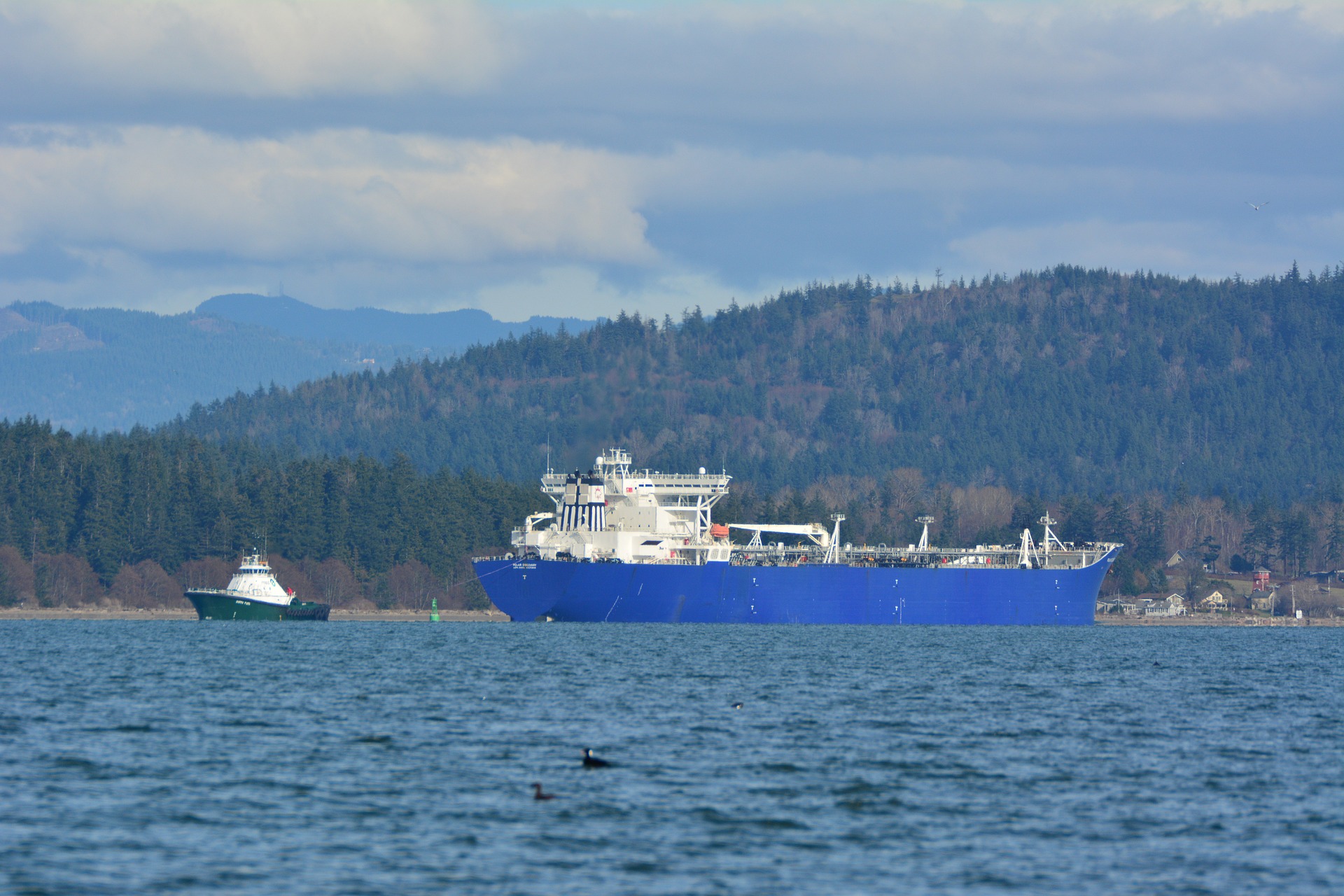
The effective closure of the Strait of Hormuz, now entering its second week following the onset of U.S.-Israeli military operations against Iran on February 28, is producing the most significant global energy disruption since the 1970s oil crises. Commercial shipping through the strait, which normally carries approximately 20% of the world’s crude oil and a comparable share of global LNG trade, has fallen to near-zero levels as insurance companies withdraw coverage and major shipping operators refuse to transit the waterway. The International Energy Agency has described the situation as the “greatest global energy security challenge in history.”
Asian economies are bearing the brunt of the disruption. More than 80% of oil and LNG shipped through Hormuz in 2024 was destined for Asian markets, with China, India, Japan, and South Korea as the primary recipients. Japan relies on the Middle East for approximately 90% of its crude oil imports, most of which passes through the strait. South Korea sources about 70% of its crude from the region and routes more than 95% of that through Hormuz. The closure has forced these economies to seek alternative suppliers, primarily from West Africa, Latin America, and the United States, but the logistical constraints of redirecting millions of barrels per day are severe, and spot prices for non-Gulf crude have risen sharply.
Brent crude prices surged from approximately $72 per barrel before the conflict to above $85 in the first days of trading after the strikes, and have continued to climb as the market prices in the likelihood of a sustained disruption. Dubai crude reached $166 on March 19, its highest level on record. LNG spot prices in Asia have spiked, driven by the loss of Qatari supply after Iran struck the Ras Laffan complex on March 18, reducing Qatar’s LNG production capacity by an estimated 17%. The damage at Ras Laffan is expected to require three to five years for full repair, a timeline that has structural implications for Asian LNG procurement strategies.
The response across the region has been rapid. South Korea activated a 100 trillion won ($68 billion) market stabilization program and announced a five-month restriction on naphtha exports to preserve domestic fuel supply. Japan’s finance minister stated the government has not yet decided on releasing strategic oil reserves but is prepared to act. India and Pakistan have dispatched naval destroyers to escort tankers in the Gulf of Oman. China, the world’s largest crude importer, has moved to restrict fuel exports while drawing on its substantial strategic petroleum reserves. The IEA has coordinated a record 400 million barrel release from emergency reserves across its member nations, though analysts estimate this covers only about 20 days of typical Hormuz flows.
The downstream effects are spreading rapidly beyond energy markets. Fertilizer prices have risen sharply, as up to 30% of internationally traded fertilizers normally transit the strait. Agricultural commodity markets are adjusting to the possibility that higher input costs will reduce crop yields globally, with Brazil, the world’s largest soybean exporter, particularly exposed given its near-total dependence on imported fertilizers sourced through Hormuz. Aviation has been disrupted by airspace closures across key flight corridors between Africa, Asia, and Europe, adding fuel costs and transit time to carrier operations. Several Asian airlines have begun canceling routes.
For investors, the Hormuz crisis introduces a set of risks that cut across sectors and geographies. Energy-importing economies in Asia face stagflationary pressure: higher input costs alongside potential demand destruction. Central banks that had been easing monetary policy, including the Reserve Bank of India and the Bank of Korea, now face the prospect of imported inflation that could force policy reversals. Export-oriented manufacturers in Japan, Korea, and Taiwan confront margin compression from elevated energy and raw material costs. The semiconductor sector, which had been enjoying strong pricing power from AI-driven demand, faces potential supply chain disruptions if prolonged energy shortages affect production schedules.
The Federal Reserve Bank of Dallas has estimated that a one-quarter closure of the strait would raise the average WTI oil price to $98 per barrel and reduce global GDP growth by an annualized 2.9 percentage points. Arab economists have warned that a prolonged conflict could push prices to $150 per barrel and gas prices to $40 per million thermal units, causing what some have described as conditions for a broader economic collapse. The World Economic Forum has characterized the situation as exposing a fundamental contradiction in which the United States has imposed enormous costs on many of the same economies it relies on as trading and strategic partners. The duration of the conflict, which remains uncertain, will determine whether the disruption proves to be a temporary shock or a structural reset for global energy markets.