










The International Energy Agency’s Oil Market Report published today relies on a data infrastructure that combines satellite monitoring, vessel tracking, storage tank measurement, and production reporting to generate the most comprehensive picture of global oil supply and demand available to any institution. The March report’s finding that global oil supply has plunged by 8 million barrels per day, with Gulf production curtailed by more than 10 million barrels per day, reflects the output of monitoring systems that are processing more data points under more uncertain conditions than at any point in the agency’s history.
The satellite monitoring component uses synthetic aperture radar and optical imagery to track oil tanker movements, measure storage tank fill levels at major terminals, and detect flaring activity at production facilities that indicates changes in output levels. The Hormuz crisis has created conditions where the satellite systems are simultaneously monitoring a near-total cessation of traffic through the strait, alternative routing patterns as tankers divert to longer voyages around Africa, the drawdown of strategic reserves at monitored storage facilities, and the buildup of crude in Gulf storage tanks as production exceeds export capacity.
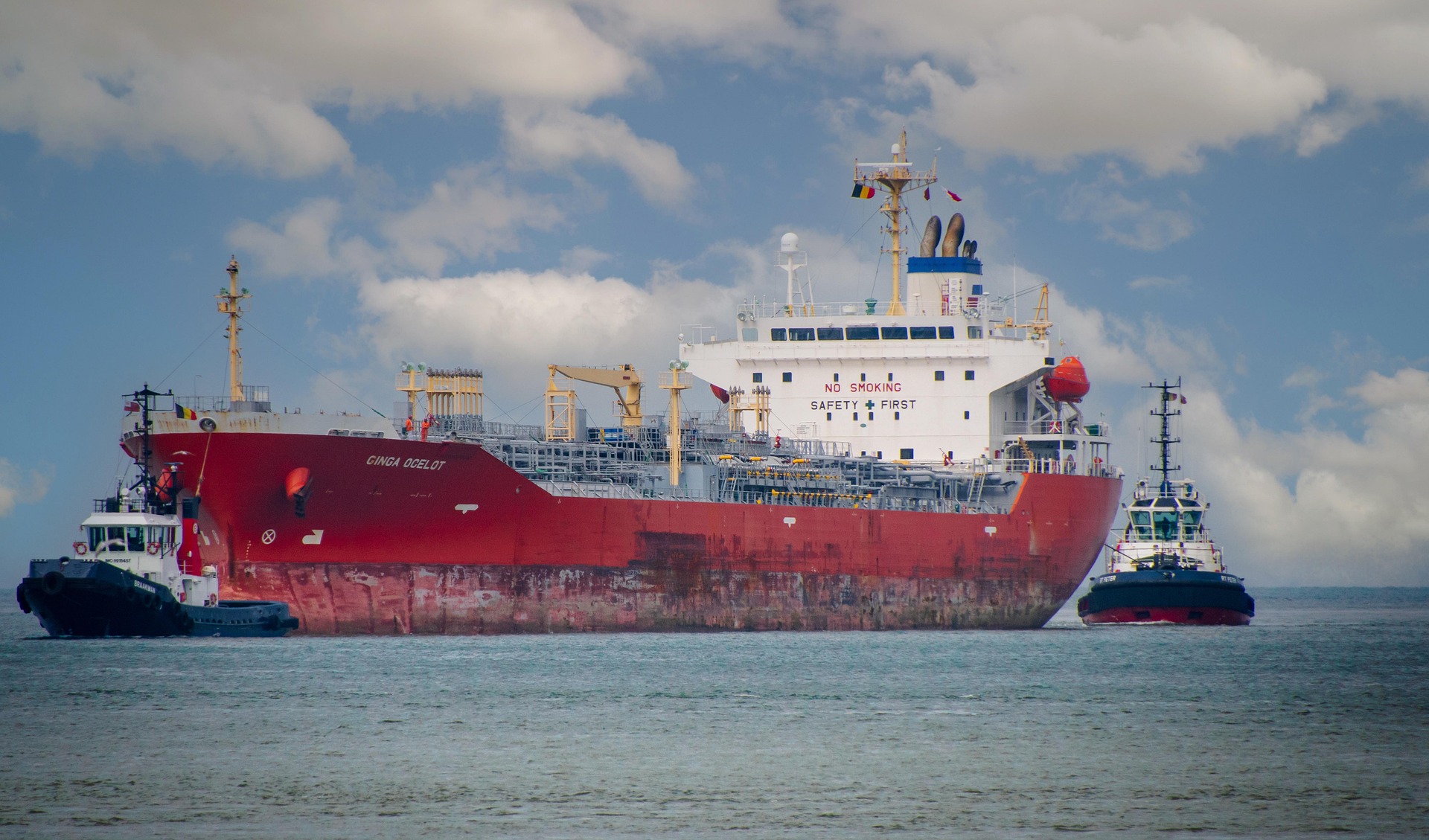
The vessel tracking dimension uses Automatic Identification System transponder data from commercial ships to map global oil flows in near-real-time. The AIS data, combined with vessel specifications that identify tanker capacity and cargo type, allows the IEA to estimate seaborne oil trade volumes on a weekly basis. The Hormuz closure has created an anomaly in the tracking data: hundreds of tankers are stationary on both sides of the strait, waiting for resolution, while a small number of vessels transit through the Iranian-controlled channel north of Larak Island under IRGC supervision. The tracking systems can identify these vessels but cannot determine the commercial terms, including the yuan-denominated tolls, under which they are operating.
The production reporting component relies on a combination of voluntary reporting by OPEC member states, independent estimation by commercial data providers including Kpler, Vortexa, and Rystad Energy, and bilateral intelligence sharing between IEA member governments. During normal conditions, these sources provide reasonably consistent data with a lag of approximately two to four weeks. During the current crisis, the data uncertainty has increased significantly: Gulf producers are curtailing production at rates that change daily as storage fills, and the reporting mechanisms are struggling to keep pace with the operational changes on the ground.
For investors and energy market participants, the IEA’s data infrastructure represents the most reliable source of aggregate market information available during the crisis, but its limitations should be understood. The satellite and vessel tracking systems provide high-confidence data on physical flows and storage levels. The production estimates carry wider uncertainty bands during the current disruption than under normal conditions. The demand-side data, which relies on national statistics that are published with significant lags, is the weakest component of the monitoring framework during a fast-moving crisis. Investment decisions that rely on IEA data should incorporate the uncertainty ranges that the agency itself acknowledges rather than treating point estimates as precise measurements of market conditions.