









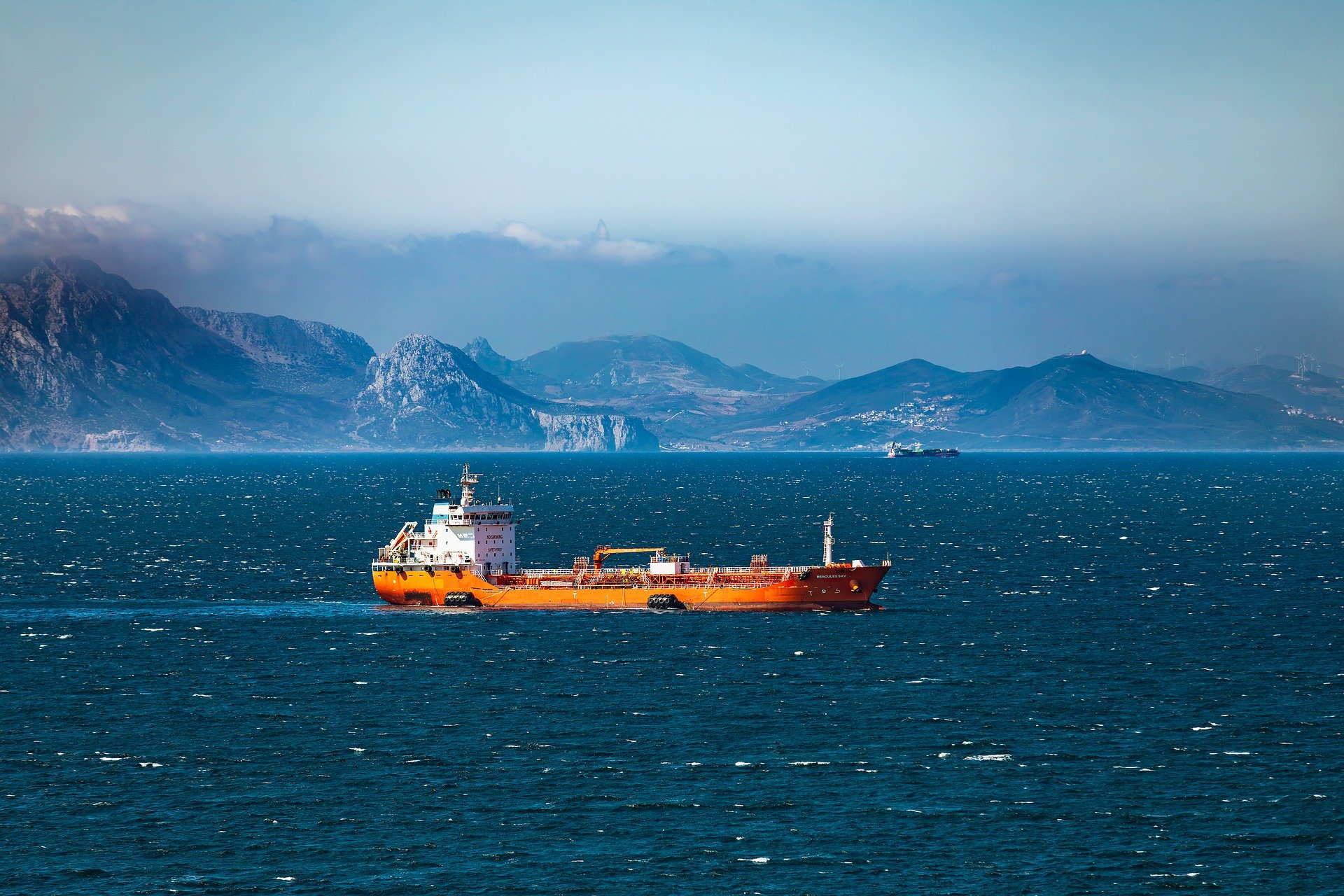
U.S. West Texas Intermediate crude settled above $100 per barrel for the first time since 2022 on Thursday, joining Brent crude in triple-digit territory and confirming that the Hormuz crisis has become a global rather than purely Asian energy event. WTI jumped almost 12% during the session to trade at $112.06, while Brent surged approximately 8% to $109.24. The Brent spot price for current physical cargoes soared to $141.36, the highest since the 2008 financial crisis, according to S&P Global. The move marked a qualitative shift in the crisis narrative: the U.S., which imports minimal oil through Hormuz, was no longer insulated from a supply disruption that has been devastating Asian markets for a month.
President Trump’s address to the nation on the Iran conflict was described by energy market participants as “a disaster” for oil prices. The president did not present a plan to reopen the strait during his speech, instead telling countries that depend on Hormuz for oil supply that they “must take care of that passage” themselves. He stated that the U.S. “imports almost no oil through the Hormuz Strait” and does not need it. The market interpreted the rhetoric as reducing the probability of a near-term U.S. military operation to forcibly clear the waterway, extending the expected duration of the disruption and pushing prices higher.
Asian markets traded with extreme caution ahead of the Good Friday holiday, with Australian and Hong Kong exchanges closed and reduced liquidity amplifying price moves in thin markets. The Nikkei 225 stabilized near the 53,000 level, maintaining a roughly 10% decline from its February peak. The KOSPI held above 5,200, with semiconductor stocks continuing to provide relative support. India’s Sensex faced continued selling pressure from foreign investors, who have been net sellers for the entire month of March. The pattern across the region is consistent: equities with strong fundamental support from the AI cycle are holding up, while everything sensitive to energy costs, consumer spending, or trade flows through the Gulf is under sustained pressure.
The IEA’s strategic reserve buffer is depleting. Oil executives and analysts warned that the Strait of Hormuz needs to be reopened by mid-April or the supply disruptions will get significantly worse. The initial assessments that the world had lost 4.5 to 5 million barrels per day of supply are expected to double by mid-April, according to BCA Research’s Marko Papic, creating what would be the largest sustained loss of crude supply in history. Rystad Energy analyst Matthew Bernstein told CNBC that the market is starting to price in the longer-term impact of the war, adding that “moving forward, there will be no going back to the prewar status quo.” The structural implications for insurance costs, shipping routes, and geopolitical risk premiums will persist even after the conflict ends.
Goldman Sachs raised the probability of a U.S. recession to 30% over the next 12 months, driven by surging oil prices and the prospect that sustained energy cost increases would eventually crush consumer spending and business investment. The bank projected that if gasoline reaches $3.50 per gallon nationally, the inflationary impact would become permanent. California’s gasoline prices already exceeded $5 per gallon during the second week of March. For Asian economies, where the energy cost pass-through is even more direct, the recession risk is higher and the policy tools to address it are more limited.
For investors, WTI crossing $100 signals that the energy crisis has reached the level where it will affect asset allocation globally, not just within Asia. The U.S. equity market, which had been relatively insulated from the Hormuz disruption through March, is now pricing in the possibility that sustained triple-digit oil will trigger demand destruction, earnings revisions, and a shift in Federal Reserve rate expectations. Asian markets, which have already absorbed the initial shock, face the prospect of a second wave of selling if Western markets begin to de-risk more aggressively. The safe harbors within the region remain AI semiconductor exposure and defense stocks, but even these are now trading in a macro environment where tail risks have moved from the periphery to the center of the probability distribution.